
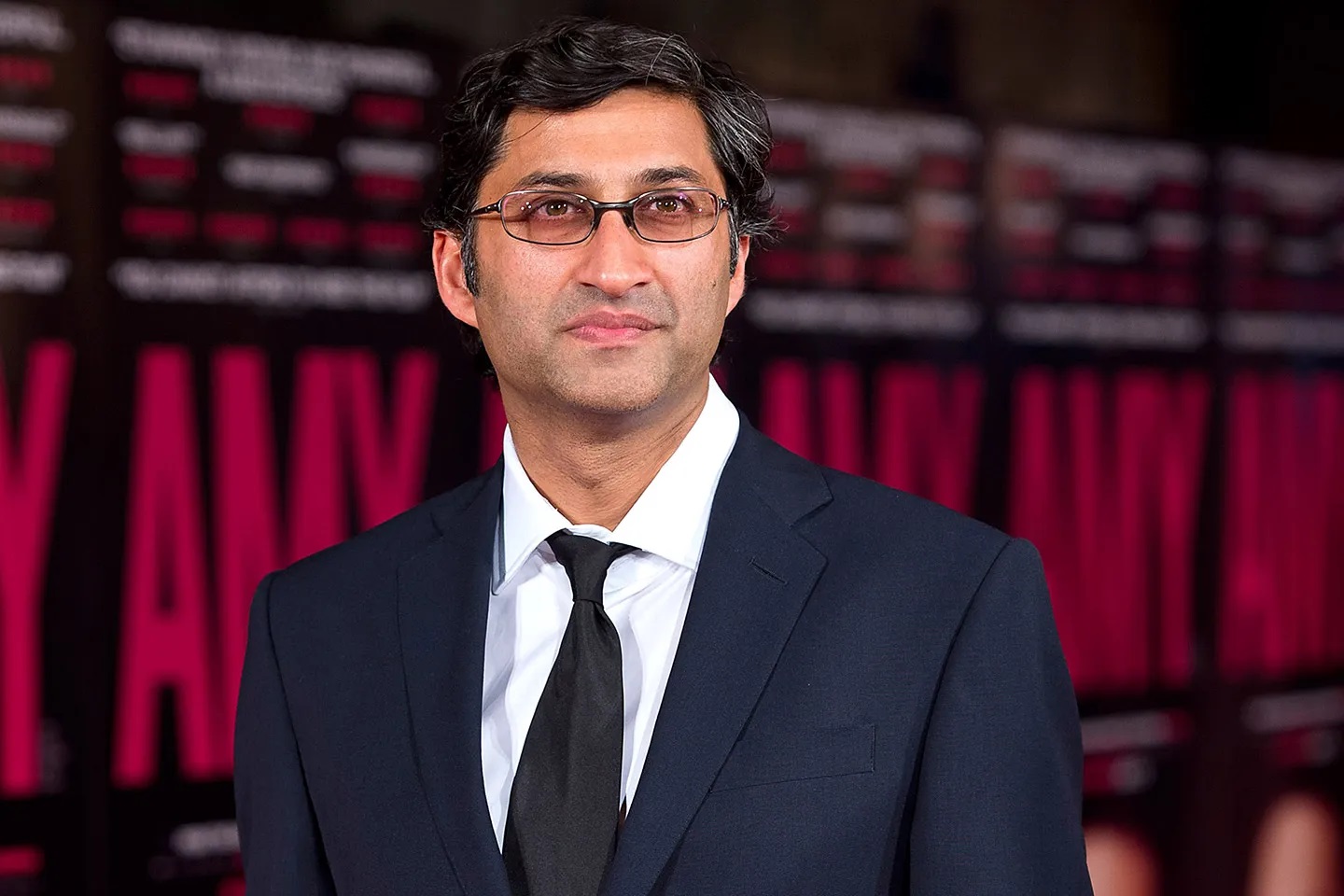
Asif Kapadia’s approach to documentary filmmaking has continually evolved, setting new standards in the genre. His work is recognized for its deep archival research and innovative use of found footage, creating films that feel both intimate and expansive. Kapadia’s early success with Senna, a portrait of the legendary Brazilian Formula One driver, demonstrated his ability to tell compelling stories without traditional interviews or narration. Instead, he relied on archival footage to build a narrative that captures the emotional and psychological complexity of his subjects.
Kapadia’s collaboration with editor Chris King has been instrumental in refining his distinctive style. Together, they developed an archive-first methodology that allows the material itself to guide the storytelling. This partnership grew stronger with films like Amy, where Kapadia and King integrated music and typography innovatively. The on-screen lyrics in Amy were designed not merely as subtitles but as narrative elements that deepen the audience’s connection to Amy Winehouse’s life and artistry. This approach broke new ground in documentary form, blending visual and auditory elements to evoke empathy and understanding.
The latest project, 2073, showcases Kapadia’s willingness to experiment further by merging documentary and speculative fiction. This film utilizes LED stage technology and two separate editing teams to blend dramatic sequences with archival footage. The story follows a character named Ghost, living in a dystopian future shaped by climate disasters and authoritarian regimes. Kapadia uses this hybrid form to create a powerful warning about the consequences of current political and environmental trajectories. The film’s visual language connects disparate global events, highlighting recurring patterns of surveillance, political control, and social unrest.
Kapadia’s personal experiences influence his work deeply. His awareness of global political shifts and encounters with surveillance have shaped his view of power and control, themes central to 2073. This film moves beyond individual stories to explore systemic forces affecting societies worldwide. By mapping connections between political movements across countries, Kapadia creates a “cartographic” representation of authoritarianism. This method enables viewers to recognize patterns that traditional media often obscure, making 2073 a significant contribution to documentary storytelling and political awareness.
Audience reception to Kapadia’s films often reflects local contexts. Different regions respond to particular scenes based on their political and social realities. Kapadia appreciates this variability, noting that the film changes depending on who is watching. This kaleidoscopic effect underlines the universality and immediacy of the issues portrayed. It also emphasizes Kapadia’s goal: not to comfort viewers but to challenge them to reflect and act. His refusal to offer simple solutions reflects the complex realities his films depict, inviting audiences to engage thoughtfully with urgent global concerns.
The partnership between Kapadia and Chris King exemplifies how creative collaboration can drive innovation. Their shared commitment to archival authenticity and technical experimentation has led to some of the most memorable documentaries of the past decade. With 2073, they have demonstrated how documentary form can adapt to address speculative and future-oriented themes without losing its grounding in reality. This hybrid approach expands the possibilities for nonfiction storytelling and highlights the relevance of historical perspective in understanding contemporary crises.
Asif Kapadia’s films continue to resonate because they explore the intersection of personal experience and broader social forces. His archival mosaics invite audiences to see history not as distant or fixed but as a living narrative that shapes and is shaped by current events. By pushing the boundaries of documentary form, Kapadia challenges viewers to reconsider their relationship to the past and their responsibility for the future. His work remains a vital force in cinema, combining artistry with urgent social critique.
