
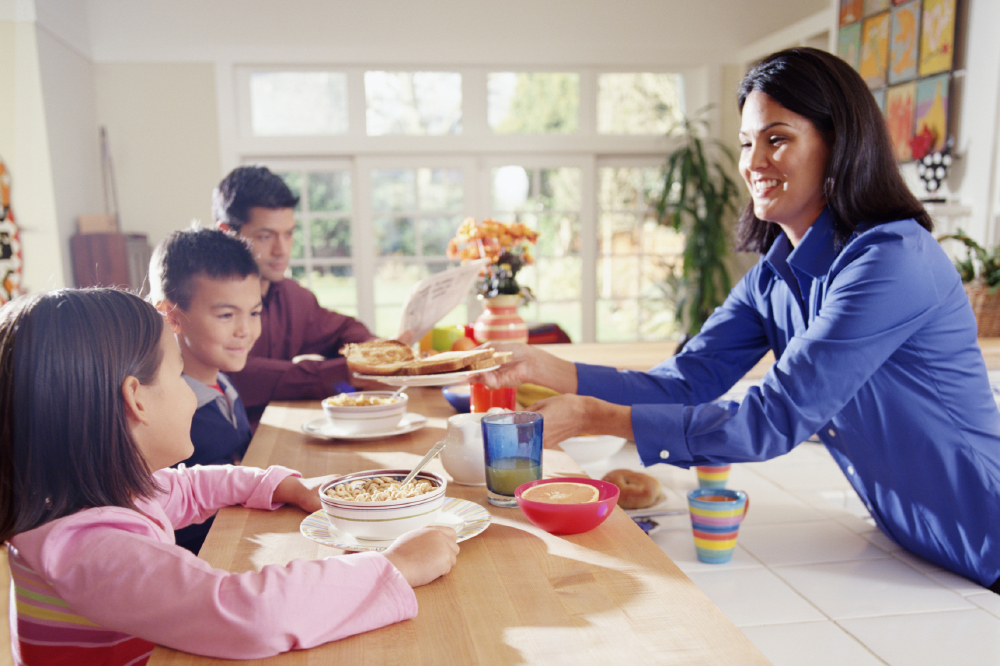
Family has always been one of the most fundamental aspects of human society. It provides love, security, and identity, while also shaping values, traditions, and social connections. Whether small or extended, traditional or blended, every family plays a crucial role in the emotional and social development of individuals. In today’s fast-paced world, where work pressures and digital distractions often dominate, the role of family is more important than ever.
What Defines a Family?
A family is generally understood as a group of people connected by blood, marriage, or adoption. However, in modern times, the definition has expanded to include chosen families, single-parent households, and blended families. At its core, family is about support, belonging, and the bonds that provide stability through life’s challenges.
The Role of Family in Emotional Development
From early childhood, the family environment influences how individuals understand emotions, relationships, and communication. Children raised in nurturing families often grow up with higher self-esteem, better coping skills, and stronger social connections.
Key emotional benefits of family
-
A sense of security and unconditional love
-
A safe space to express emotions
-
Guidance during stressful or uncertain times
-
Emotional resilience through shared experiences
Family as the Foundation of Values
Families are often the first educators of values, ethics, and traditions. Through storytelling, shared meals, and daily interactions, children learn about respect, honesty, responsibility, and empathy. These values later extend into schools, workplaces, and wider communities.
Examples of family-based value-building
-
Teaching children the importance of kindness through everyday actions
-
Practicing cultural traditions that strengthen identity
-
Encouraging responsibility through shared household tasks
The Impact of Family on Health and Wellbeing
Research shows that strong family bonds positively impact both mental and physical health. Families encourage healthier lifestyles, offer care during illness, and reduce stress levels by providing a support network.
-
Families influence eating habits and physical activity
-
Supportive relationships lower the risk of depression and anxiety
-
Older adults in close family systems often experience improved longevity
The Evolution of Family Structures
While traditional nuclear families remain common, today’s world recognises diverse family structures. Single-parent families, same-sex parents, and blended households have become increasingly visible, reflecting social change. Each type of family demonstrates that love and care, not structure alone, define a family’s success.
Changing trends in family life
-
Increase in dual-income households
-
Greater acceptance of non-traditional families
-
A rise in long-distance family relationships due to global migration
Strengthening Family Bonds in the Modern Era
With busy schedules and digital distractions, many families find it challenging to spend quality time together. However, conscious efforts can make relationships stronger.
Practical ways to nurture family bonds
-
Establishing regular family meals without digital devices
-
Creating traditions such as weekly outings or annual trips
-
Encouraging open conversations about challenges and achievements
-
Supporting each other’s goals and personal growth
The Economic and Social Role of Family
Beyond personal relationships, families contribute to society in significant ways. They provide economic stability, nurture future generations, and create communities built on trust and cooperation. Families also serve as the first safety net in times of crisis, offering financial or emotional help.
Family and Education
Parents and guardians play a vital role in shaping attitudes toward education. Supportive families help children set goals, develop discipline, and maintain motivation. Even small acts, such as helping with homework or attending school events, contribute to academic success.
Technology and Family Life
Digital technology has transformed how families communicate and spend time together. While it creates opportunities for connection, it can also lead to isolation if not balanced properly.
-
Video calls connect families across continents
-
Shared digital activities can strengthen bonds
-
Overuse of screens can reduce face-to-face interaction
Family Traditions and Cultural Identity
Traditions, whether large celebrations or simple daily rituals, strengthen family identity and provide continuity. They connect generations, preserve culture, and offer a sense of belonging.
Examples of traditions
-
Celebrating holidays with specific family rituals
-
Passing down recipes or crafts through generations
-
Creating photo albums and family stories
Family Challenges in the Modern World
No family is without difficulties. Common challenges include financial stress, generational differences, and balancing work-life commitments. However, families that prioritise communication and mutual respect are often better equipped to navigate these difficulties.
The Future of Family
As societies continue to evolve, families will adapt to new cultural, economic, and technological realities. What remains constant is the need for love, connection, and support that families provide, no matter their structure.
FAQs on Family
What makes family important in everyday life?
Family provides emotional security, guidance, and unconditional love, helping individuals navigate life’s challenges with confidence and resilience.
How can families strengthen their relationships despite busy schedules?
Setting aside regular time for shared meals, outings, or simple conversations without distractions can make a significant difference in maintaining strong bonds.
Are traditional family structures still relevant today?
Yes, but they are not the only model. Modern families come in many forms, including single-parent, blended, and chosen families, all of which can thrive with love and support.
How does family influence children’s future success?
Families shape values, provide educational encouragement, and model behaviours that influence how children approach academics, work, and relationships.
What role do family traditions play in modern society?
Traditions connect generations, preserve cultural identity, and strengthen the sense of belonging within families and communities.
How can technology be balanced within family life?
Families can use technology to stay connected but should set boundaries, such as limiting screen time during meals, to encourage meaningful face-to-face interaction.
