
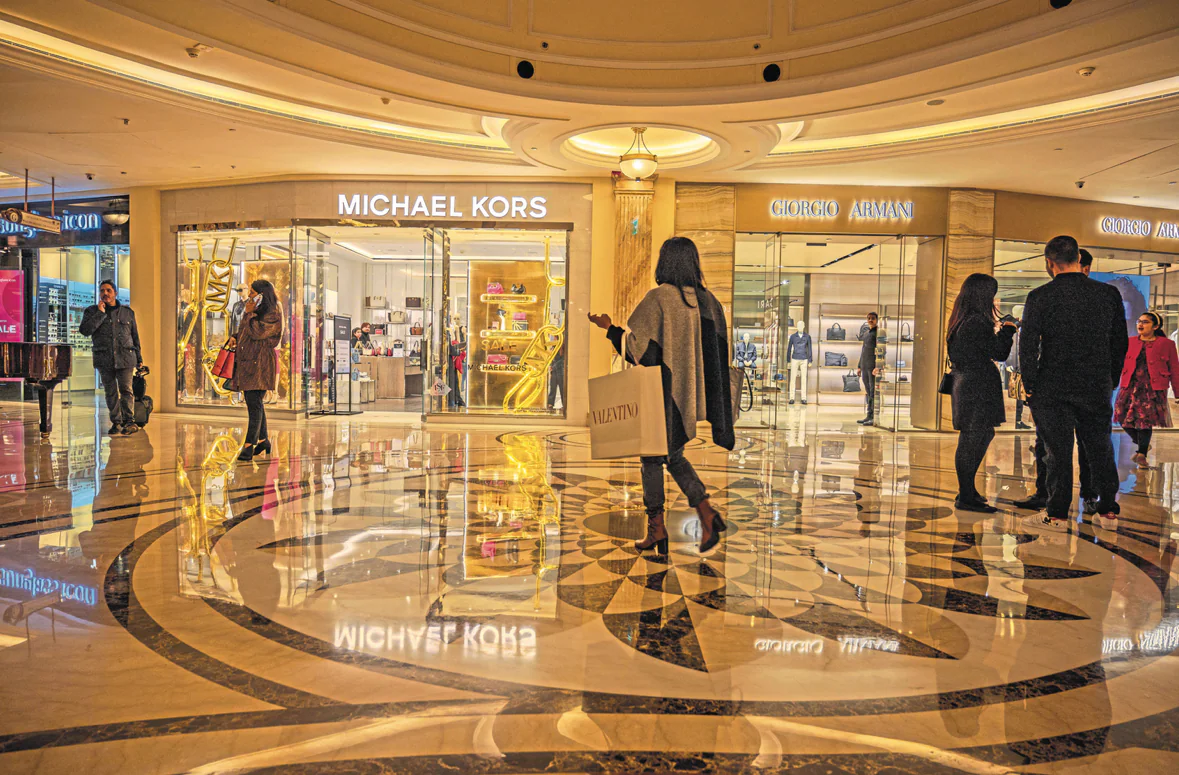
Shopping is no longer just about purchasing what you need. It’s an experience shaped by technology, convenience, personal values, and lifestyle choices. From scrolling through online stores at midnight to strolling through weekend markets, shopping reflects how people live today.
This article explores what shopping looks like now, how habits are changing, and how to shop smarter without the noise.
The Evolution of Shopping Habits
Shopping has shifted dramatically over the last few decades. What once required physical presence now often happens with a few taps on a screen.
Key shifts include:
-
From physical stores to digital platforms
-
From impulse buying to informed decisions
-
From brand loyalty to value-driven choices
Consumers today compare prices, read reviews, and expect seamless experiences across channels.
Types of Shopping Experiences
In-Store Shopping
Despite digital growth, physical stores still matter. They offer:
-
Hands-on product testing
-
Immediate purchases without waiting
-
Personal interaction and customer service
Many shoppers prefer in-store visits for clothing, groceries, and high-value items.
Online Shopping
Online shopping continues to dominate due to:
-
24/7 accessibility
-
Wider product selection
-
Easy price comparison
Features like same-day delivery, virtual try-ons, and AI recommendations are redefining convenience.
Hybrid Shopping (Online + Offline)
Hybrid shopping blends both worlds. Examples include:
-
Buying online and picking up in-store
-
Browsing in-store and ordering online later
-
Using mobile apps while shopping physically
This approach gives shoppers flexibility and control.
What Influences Buying Decisions Today
Modern shoppers are more intentional than ever. Several factors influence purchasing behavior:
-
Price transparency and discounts
-
Product reviews and ratings
-
Brand ethics and sustainability
-
Ease of returns and customer support
-
Personalized recommendations
People are less likely to buy blindly and more likely to research before committing.
Smart Shopping Tips for Everyday Buyers
Shopping smarter doesn’t mean shopping less. It means shopping better.
Helpful strategies include:
-
Set a budget before browsing
-
Compare prices across platforms
-
Avoid emotional or stress-based purchases
-
Sign up for alerts instead of impulse buying
-
Prioritize quality over quantity
These habits reduce regret and increase long-term satisfaction.
The Rise of Sustainable and Ethical Shopping
Many consumers now consider the impact of their purchases. Sustainable shopping focuses on:
-
Eco-friendly materials
-
Ethical labor practices
-
Minimal packaging
-
Long-lasting products
Choosing responsibly doesn’t require perfection—small changes add up over time.
The Future of Shopping
Shopping will continue to evolve as technology advances. Expect to see:
-
Smarter personalization using AI
-
Faster and greener delivery options
-
Greater integration of augmented reality
-
More emphasis on experience over volume
The future shopper will be informed, empowered, and values-driven.
Frequently Asked Questions (FAQ)
1. How has technology changed shopping behavior?
Technology has made shopping faster, more convenient, and more personalized through mobile apps, online stores, and digital payments.
2. Is online shopping always cheaper than in-store shopping?
Not always. While online platforms often offer deals, in-store promotions and no shipping costs can sometimes be more economical.
3. What is the biggest advantage of hybrid shopping?
Hybrid shopping offers flexibility, allowing customers to combine online convenience with in-store immediacy.
4. How can shoppers avoid impulse buying?
Creating a shopping list, setting a budget, and waiting 24 hours before non-essential purchases can help reduce impulse buys.
5. Why is sustainable shopping becoming popular?
Consumers are more aware of environmental and social impacts, leading them to support brands that align with their values.
6. Are product reviews always reliable?
Reviews are helpful but should be read critically, focusing on detailed feedback rather than just star ratings.
7. What skills will future shoppers need?
Critical thinking, digital literacy, and value-based decision-making will be key skills for navigating future shopping experiences.
