
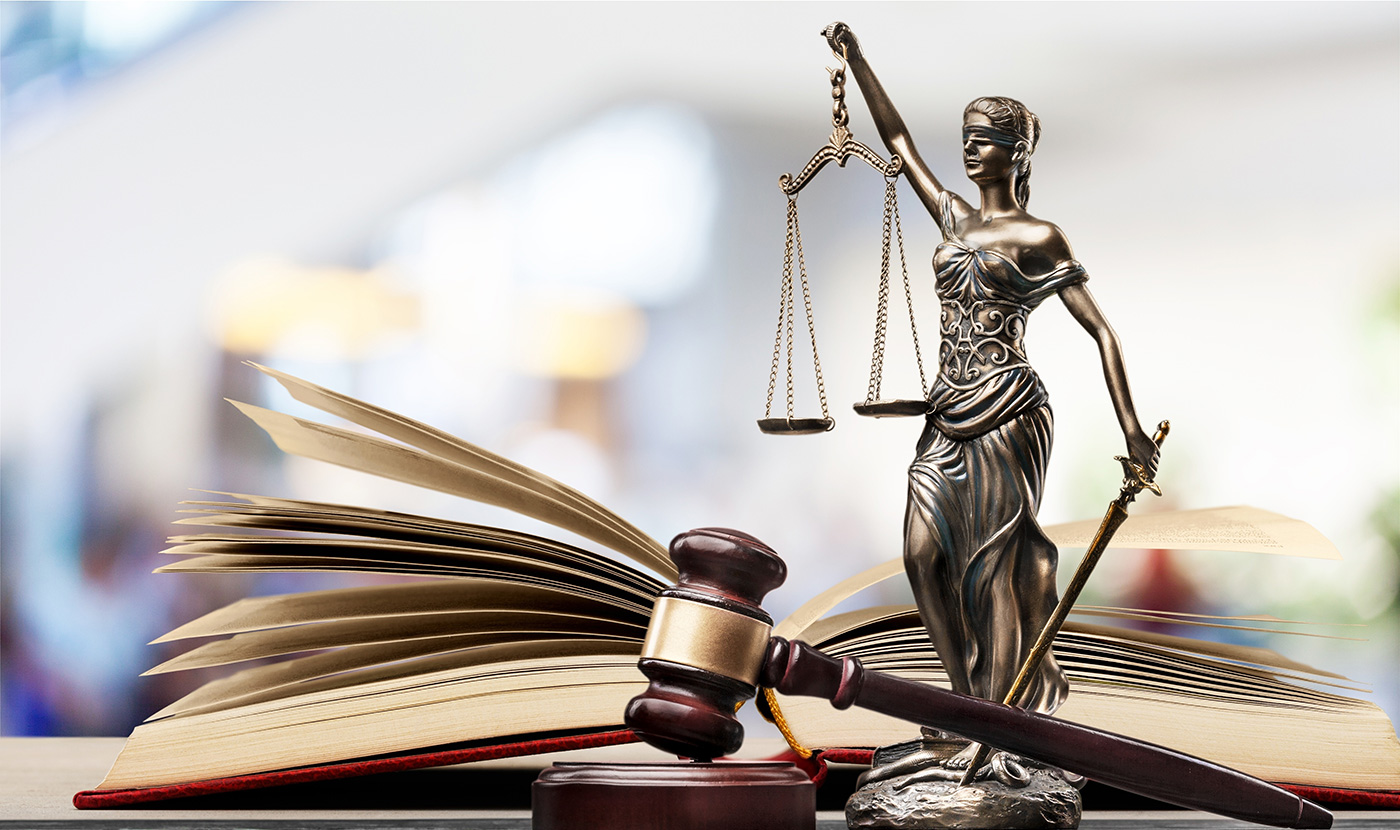
Law forms the backbone of civilised societies. It governs relationships, resolves disputes, protects rights, and ensures that communities function in an orderly manner. Without legal systems, societies would be left vulnerable to unchecked power, injustice, and chaos. This article explores the foundations of law, its role in modern society, its classifications, and its real-life applications.
What is Law?
Law can be described as a set of rules created and enforced by a governing authority to regulate behaviour. These rules are binding on all members of society and carry consequences for breaches. Beyond punishment, law also provides guidance, structure, and predictability, enabling individuals and organisations to interact with confidence.
At its core, law represents a balance between individual freedoms and collective responsibility. It ensures that personal rights are respected while also protecting the common good.
The Purpose of Law
The purpose of law is multi-dimensional, extending far beyond punishment for wrongdoing. Key purposes include:
-
Order and Stability: Law prevents disorder by setting clear expectations for acceptable behaviour.
-
Justice and Equality: Legal systems strive to ensure fairness, preventing exploitation or discrimination.
-
Protection of Rights: Citizens are safeguarded against abuses of power by both private individuals and state authorities.
-
Conflict Resolution: Courts and tribunals provide structured processes for settling disputes.
-
Economic Growth: Business transactions and contracts rely on enforceable laws that protect investments.
Sources of Law
Different jurisdictions draw from a variety of sources when forming their laws. These commonly include:
Legislation
Acts passed by parliaments or legislatures form statutory law. Legislation is often detailed and specific, providing clear rules on issues such as taxation, employment, and health.
Common Law
In countries influenced by English traditions, common law is developed through judicial decisions. Courts interpret statutes, apply precedents, and evolve legal principles over time.
Constitutional Law
The constitution provides the supreme legal framework of a state. It outlines the division of powers, the role of government institutions, and the fundamental rights of citizens.
International Law
In a globalised world, international treaties and agreements also form part of domestic law. They cover areas such as trade, environmental protection, and human rights.
Classifications of Law
Law can be categorised in different ways depending on its subject and application.
Civil and Criminal Law
-
Criminal Law addresses offences against the state, prescribing punishments such as imprisonment or fines.
-
Civil Law deals with disputes between individuals or organisations, typically seeking compensation or other remedies.
Public and Private Law
-
Public Law regulates the relationship between individuals and the state, including constitutional, administrative, and criminal law.
-
Private Law governs relationships between private parties, such as contracts, property, and family matters.
Substantive and Procedural Law
-
Substantive Law defines rights and duties.
-
Procedural Law dictates the methods by which those rights are enforced.
The Role of Courts
Courts are central to the functioning of law. They interpret statutes, resolve disputes, and provide authoritative judgments that create precedents for future cases. From local magistrates to supreme courts, these institutions act as guardians of justice.
Judges, lawyers, and juries each play crucial roles in this process. Judges apply the law impartially, lawyers represent their clients’ interests, and juries, where applicable, assess evidence to determine facts.
Law in Everyday Life
The impact of law is not confined to courtrooms or legislatures. It shapes daily life in countless ways:
-
Signing an employment contract
-
Renting or purchasing property
-
Driving on regulated roads
-
Accessing healthcare rights
-
Inheriting family assets
Even mundane tasks, such as shopping or using public transport, are guided by laws that ensure consumer safety and accountability.
Law and Morality
While law and morality often overlap, they are not identical. Moral values reflect social and cultural beliefs, whereas laws are formally enacted and enforceable. At times, law may advance ahead of moral consensus, as seen in progressive reforms, or lag behind, leading to public debates and reform movements.
The Evolution of Law
Law is dynamic. It adapts to social change, technological advances, and shifting global realities. Digital privacy, environmental sustainability, and artificial intelligence regulation are modern challenges shaping legal frameworks. This constant evolution reflects law’s responsiveness to society’s needs.
Careers in Law
The legal field offers diverse career paths:
-
Solicitors and Barristers: Providing legal advice and courtroom advocacy.
-
Judiciary: Upholding justice through impartial rulings.
-
Academia: Researching and teaching law.
-
Corporate Lawyers: Managing compliance and transactions in businesses.
-
Public Sector Roles: Working in policy, regulation, and public prosecution.
Challenges Facing Modern Law
Modern legal systems face a range of challenges:
-
Balancing security with personal freedoms in an age of surveillance
-
Addressing cross-border crimes such as cyber fraud and money laundering
-
Ensuring equal access to justice amid rising legal costs
-
Responding to rapid technological disruptions that outpace traditional laws
Future of Law
The future of law will likely involve greater integration of technology. Digital courts, online dispute resolution, and AI-driven legal research are already reshaping the field. However, human judgment and fairness will remain irreplaceable in delivering justice.
FAQs
What is the difference between law and legislation?
Legislation refers specifically to laws enacted by parliaments or governing bodies, while law as a whole encompasses legislation, common law, constitutional rules, and international obligations.
Why is the rule of law important?
The rule of law ensures that everyone, including governments, is subject to the same legal standards, preventing arbitrary power and protecting human rights.
Can laws change quickly?
Yes. Emergency situations, such as public health crises, often lead to rapid legislative responses. However, major legal reforms typically require extensive consultation and debate.
How does international law affect individuals?
International law can shape domestic rights and obligations, such as human rights protections or consumer rights when buying goods across borders.
What role does technology play in law today?
Technology enhances access to legal information, streamlines court processes, and introduces new areas of regulation, such as data protection and online contracts.
Is studying law only useful for legal careers?
No. Legal education develops critical thinking, analysis, and communication skills that are valuable in business, politics, journalism, and public service.
